When a Stomach Ulcer Becomes a Life-Threatening Emergency: Blue’s Story
Pet Safety

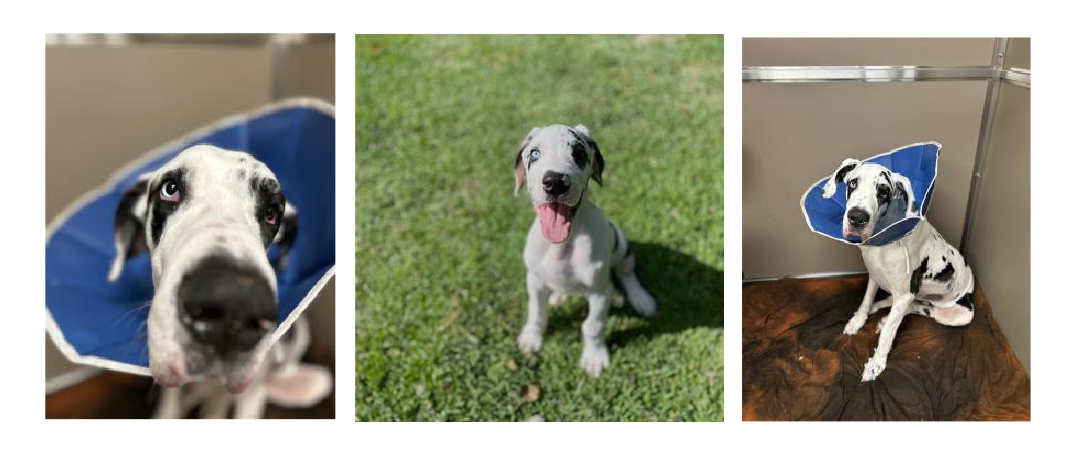
Blue, a 3-year-old Great Dane, was brought to our emergency team after his family noticed a sudden and concerning change, he was quiet, lethargic, and clearly not feeling like himself.
While these symptoms can sometimes be associated with mild illness, Blue’s condition quickly proved to be far more serious.
A Serious and Unexpected Diagnosis
After evaluation, Blue was diagnosed with a perforating gastric (pyloric) ulcer, a rare but life-threatening condition.
Gastric ulcers occur when the lining of the stomach becomes damaged. In severe cases, the ulcer can erode completely through the stomach wall, allowing stomach contents to leak into the abdominal cavity. This leads to severe infection (septic peritonitis) and requires immediate medical intervention.
Emergency Surgery and Critical Care
Due to the severity of his condition, Blue was taken into emergency surgery.
During the procedure:
The abdomen was thoroughly flushed with sterile saline to remove contamination
The perforated ulcer was surgically repaired
A Jackson-Pratt (JP) drain was placed to help remove residual fluid and support recovery
Following surgery, Blue received intensive, around-the-clock care, including:
IV fluids for stabilization
IV antibiotics to treat infection
Pain management
Anti-nausea medications
Gastroprotectants to support healing
Recovery and Outcome
Blue remained hospitalized for several days as he recovered from surgery and the effects of sepsis.
Thanks to prompt intervention and dedicated care from our emergency team, Blue made a strong recovery and was able to return home to his family.

A Grateful Pet Parent
★★★★★
“I have a 3-year-old Great Dane, Blue, that developed a gastric ulcer that ruptured and he was septic. It was a life-threatening condition with a 50–70% mortality rate. Dr. Eyles performed emergency surgery to drain the abdomen of the septic fluid and repair the tear in his stomach/pyloric region. Blue stayed 3 days post-op and came home and is doing great. Dr. Eyles saved his life, and Dr. Takalo and all the staff did a great job caring for him after surgery.”
- Madison Currin
What Pet Owners Should Know
Conditions like gastric ulcers can progress quickly and may not always show obvious early warning signs. Subtle changes, like decreased energy, appetite loss, or unusual behavior, can sometimes indicate a more serious underlying issue.
If your pet is showing any of the following signs, it’s important to seek veterinary care as soon as possible:
Lethargy or sudden weakness
Vomiting (with or without blood)
Loss of appetite
Abdominal discomfort
Collapse or signs of shock
Here When You Need Us Most
At the Veterinary Emergency Referral Center in Pensacola, our team is here to provide advanced emergency and surgical care when pets need it most. With experienced emergency veterinarians, advanced diagnostics, and round-the-clock monitoring, we are committed to helping pets through critical moments and supporting their recovery.
